The Influence of Abortion Restrictions on Education and Economic Outcomes for Young Women
January 1, 2025 - 03:03
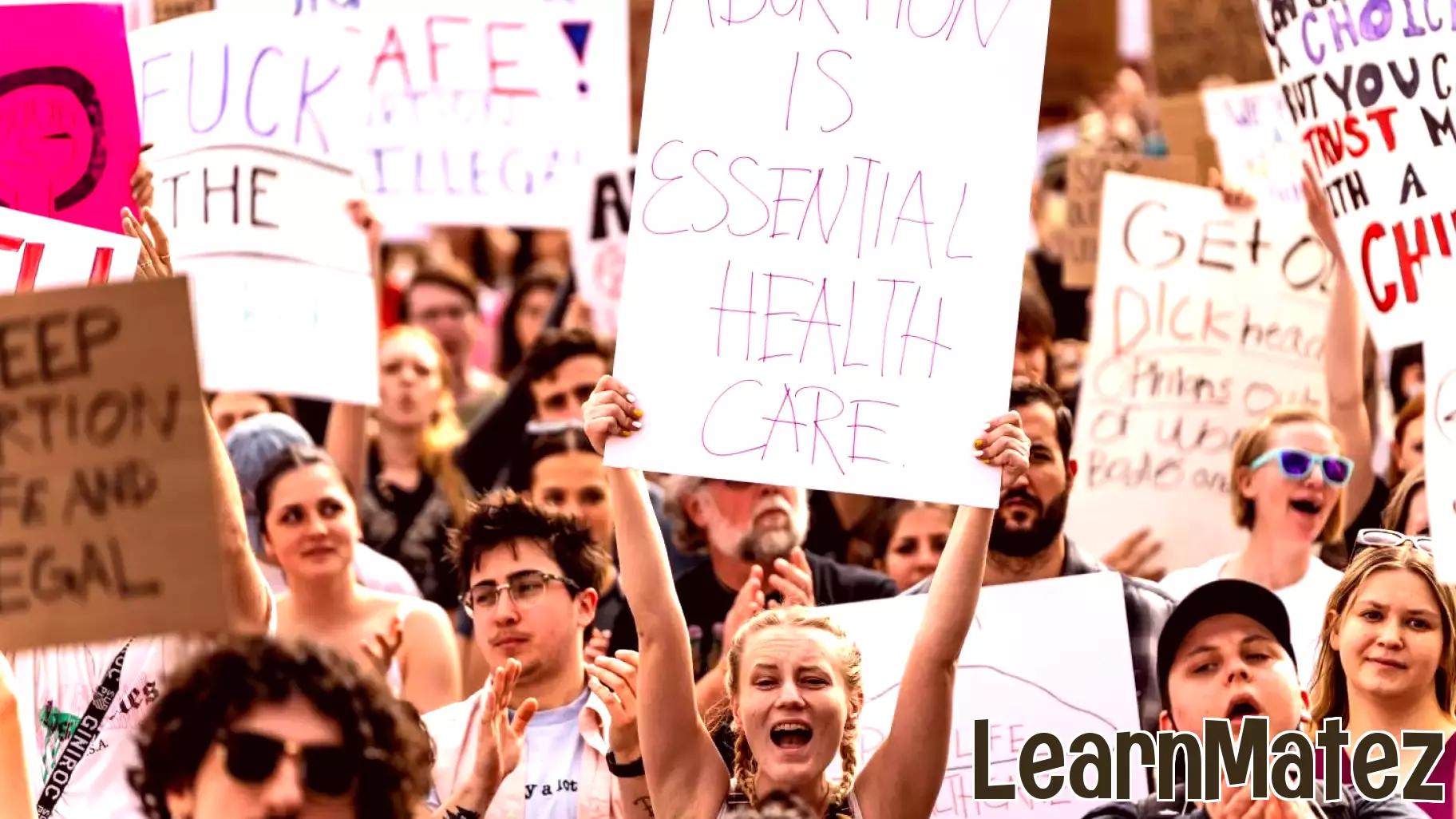
Recent research has shown that teenage women residing in areas with fewer abortion restrictions tend to experience improved educational and economic outcomes. Two new studies highlight a significant correlation between access to reproductive health services and the overall well-being of young women.
In regions where abortion access is more readily available, teenage girls are more likely to complete their education and pursue higher learning opportunities. This educational attainment often translates into better job prospects and higher earning potential in the long run. Conversely, in areas with stringent abortion laws, young women may face increased challenges that can hinder their academic and professional aspirations.
The findings underscore the importance of reproductive rights as a critical factor in shaping the futures of young women. By ensuring access to comprehensive reproductive healthcare, communities can foster an environment where young women can thrive both academically and economically, ultimately benefiting society as a whole.
MORE NEWS

August 20, 2026 - 04:30
Missouri education board wary of $300 million school funding increaseMissouri education leaders are gearing up for a tough fight in the state capitol next year, as they plan to request a significant increase of around $300 million for public schools. The proposal,...

August 19, 2026 - 03:16
TCC President to be inducted into Oklahoma Higher Education Hall of FameTulsa Community College President Leigh B. Goodson has been named to the Oklahoma Higher Education Hall of Fame`s 2026 induction class. The honor recognizes her decades of work in academic...

August 18, 2026 - 15:37
Statler confident progress is coming on education issuesThe chairman, who has been meeting regularly with local superintendents across the state, acknowledged that the process has been slow at times but stressed that the conversations are productive. He...

August 17, 2026 - 21:01
USCCB's education director reflects on Catholic school landscape as school year beginsAs classrooms across the country prepare to reopen, the man in charge of Catholic education policy for the U.S. bishops is taking stock of a sector that has changed a lot in the past few years....